If you’re pregnant (or planning a baby), there’s a short, once-in-a-lifetime window to preserve something truly unique: newborn stem cells. Stem cell storage can help families plan ahead by collecting and freezing cord blood and/or cord tissue right after delivery—before those cells are discarded. If you want a clear plan that fits your pregnancy timeline, book your consultation today.
What Stem Cell Storage Really Means
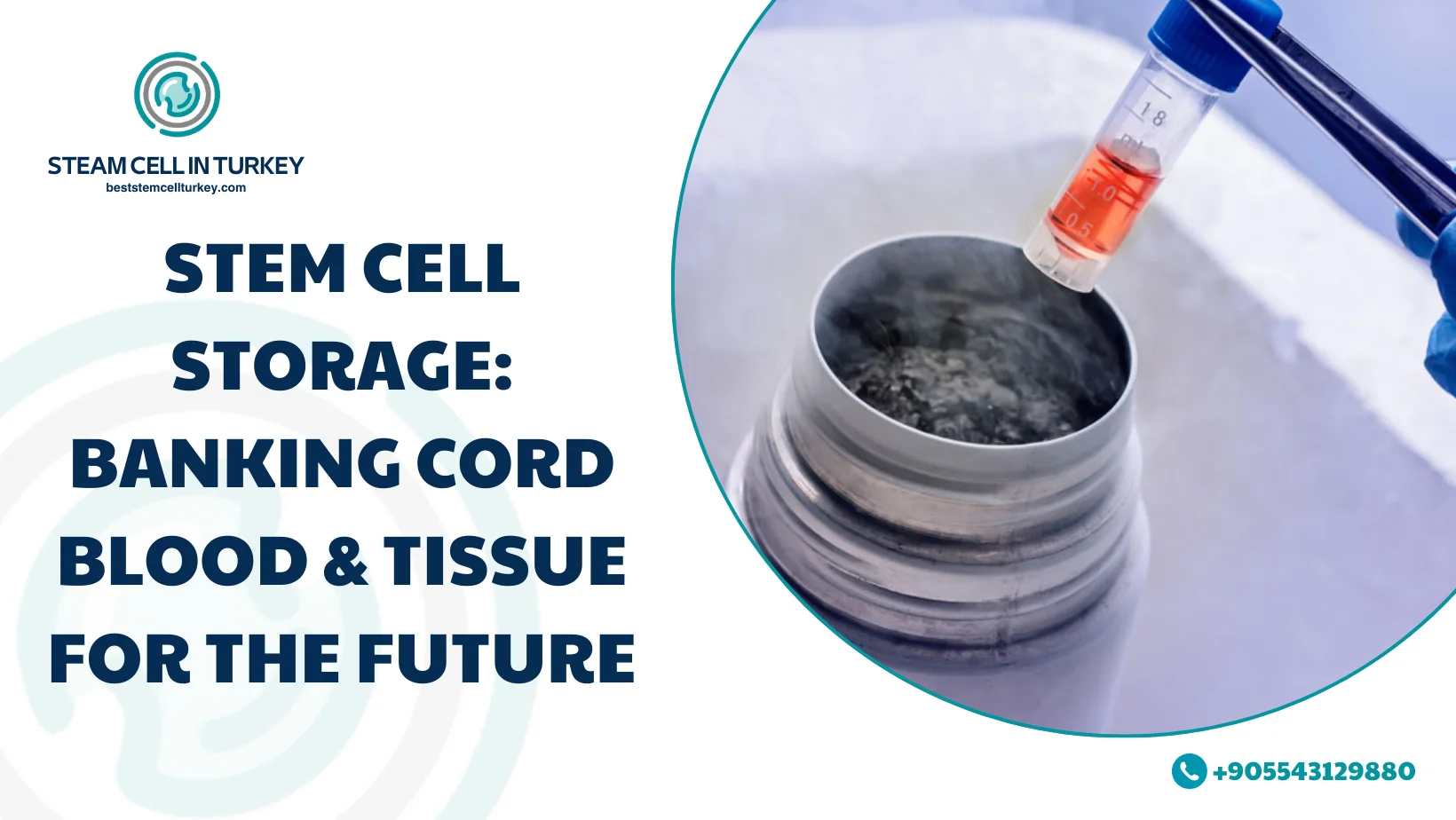
Stem cell storage—often called stem cell banking or cord blood banking—is the medical logistics of collecting stem cells at birth, processing them in a lab, and freezing them under controlled conditions so they may be available in the future.
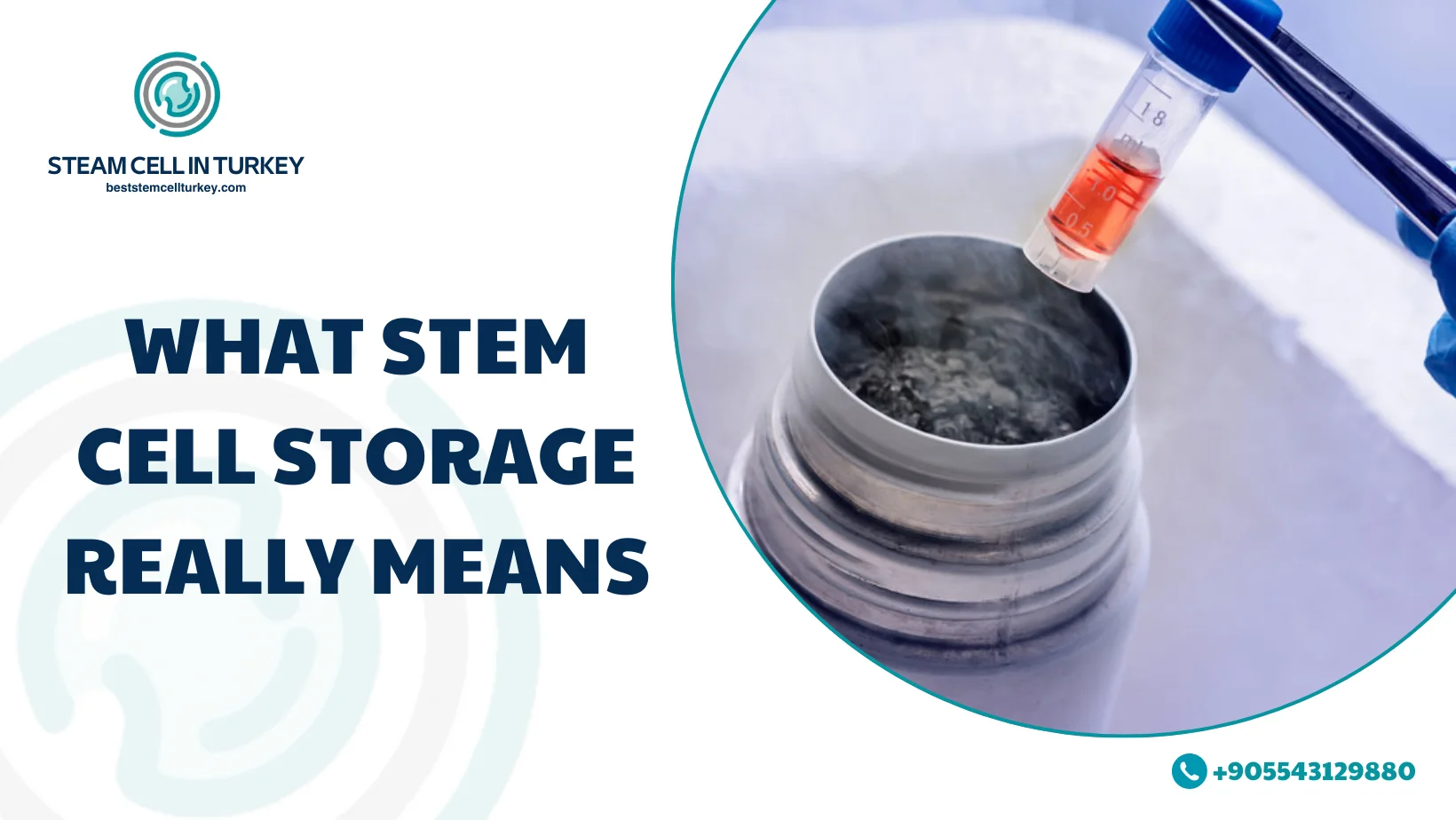
The freezing stage is part of cell cryostorage, where samples are kept at extremely low temperatures to maintain stability over long periods. The main value of this approach is timing: cord blood and cord tissue can only be collected at delivery, and the opportunity doesn’t come back.
Cord Blood vs Cord Tissue
Many families hear “cord banking” and assume it’s one thing. In reality, there are two related options that can be stored, and they’re not identical.
Cord blood (from the umbilical cord and placenta)
Cord blood contains blood-forming stem cells (hematopoietic stem cells). In the U.S., the FDA notes that FDA-approved stem cell products are currently limited to blood-forming stem cells derived from umbilical cord blood for specific disorders affecting blood production.
Cord tissue (often referenced as “cord tissue cells”)
Cord tissue (including Wharton’s jelly) contains different cell populations that are widely discussed in regenerative medicine. However, the legality and clinical use depend heavily on local regulations and the specific indication, so choosing a compliant, transparent program is essential.
Why Families Choose Stem Cell Banking
Most parents don’t bank because they “expect” a medical crisis. They bank because they want options. The typical motivations include:
- Preserving a rare biological resource that can’t be collected later
- Creating a plan that feels proactive and future-focused
- Considering family medical history with guidance from a clinician
- Preferring a structured process now rather than rushed decisions later
At the same time, it’s important to be realistic about what banking can and cannot guarantee. Major healthcare guidance emphasizes informed decision-making and balanced counseling about public vs private banking benefits and limitations.
Public vs Private Banking: Choosing the Right Path
Both options can be valid—what matters is aligning the choice with your goals.
Public donation
Public cord blood banks generally do not charge you to collect, test, or store a donation, and the stored unit is available for public use (not reserved for your family).
Private storage
Private storage is paid and reserves the unit for your family. If you’re considering private banking, you should ask for written details about what’s included (collection, transport, processing, tests, annual storage) and what quality standards the lab follows.
The Process From Delivery Room to Freezer
Families often worry the process is complicated. In practice, it follows a clear workflow:

- Enrollment happens before delivery, and you receive a sterile collection kit
- After birth, cord blood is collected from the umbilical cord and placenta (typically after the baby is delivered)
- The sample is transported to a laboratory for processing and screening
- The lab prepares the unit for long-term stem cell preservation and places it into monitored cell cryostorage
In the UK context, NHSBT describes donor selection and screening requirements, including infectious disease screening as part of regulatory expectations.
Safety, Regulation, and How to Avoid Marketing Traps
Because stem cells are a “hot” topic, the market also attracts exaggerated claims. The FDA warns that regenerative medicine products (including many stem cell-based offerings) are regulated and that there is ongoing marketing of unapproved products intended to treat a wide range of diseases—these require FDA oversight in reported clinical trials before approval.
A practical way to protect yourself is to watch for red flags:
- “Guaranteed cure” language or unrealistic promises
- No clear explanation of lab testing, sterility, or chain-of-custody
- Vague statements about “secret protocols” instead of documented standards
- Pressure tactics (“book today or lose your chance”) instead of patient education
Quality-focused programs will welcome your questions and provide documentation without defensiveness.
What Does Cord Blood Banking Cost?
Prices vary by country, provider, and whether you store cord blood alone or add cord tissue. The best way to evaluate cost is not “cheapest vs expensive,” but “transparent vs unclear.”
Ask for a quote that separates:
- One-time fees (kit, transport, processing, initial testing)
- Ongoing fees (annual storage) or long-term prepaid plans
- Optional add-ons (cord tissue, extra testing, extra storage duration)
AABB also publishes educational materials that explain cost realities and common misconceptions around cord blood.
Why Patients Choose Our Team
FAQs about stem cell storage

Is stem cell storage the same as treatment?
No. Stem cell storage means collecting and freezing cells for potential future use. Treatment depends on diagnosis, local regulation, and clinical evidence.
Is cord blood collection safe?
Cord blood is collected after delivery from the umbilical cord and placenta. Donation programs describe it as part of a controlled collection and screening pathway.
What’s the difference between public and private cord blood banks?
Public banks store donations for public use and generally do not charge donors. Private banks charge fees and reserve the stored unit for your family.
How do I know a bank is trustworthy?
Look for clear documentation on processing, infectious disease screening where required, chain-of-custody, and credible accreditation/standards. AABB provides patient-focused cord blood resources.
Are all stem cell therapies approved?
No. The FDA highlights that many regenerative medicine products are marketed without approval, and that FDA-approved stem cell products are currently limited in scope (in the U.S.) to specific blood-forming stem cell uses.
The biggest advantage of stem cell storage is timing—this is the one moment when collecting cord blood or cord tissue is possible. If you want help choosing between public donation and private storage, understanding costs, and building a simple plan around your due date, book your consultation now and we’ll guide you step by step.
References
- FDA — Consumer Alert on Regenerative Medicine Products (Stem Cells/Exosomes): FDA
- FDA — Important Patient & Consumer Information about Regenerative Medicine Therapies: FDA
- AABB — Umbilical Cord Blood Donation FAQs: AABB
- NHS Blood and Transplant — Public and private cord blood banks: NHS
- NHSBT (Hospitals) — Cord blood banking (screening/regulatory notes): NHSBT
Ready to plan with confidence?
→ Book a Free Consultation
→ Explore Financing Options
→ contact with us via what’s up