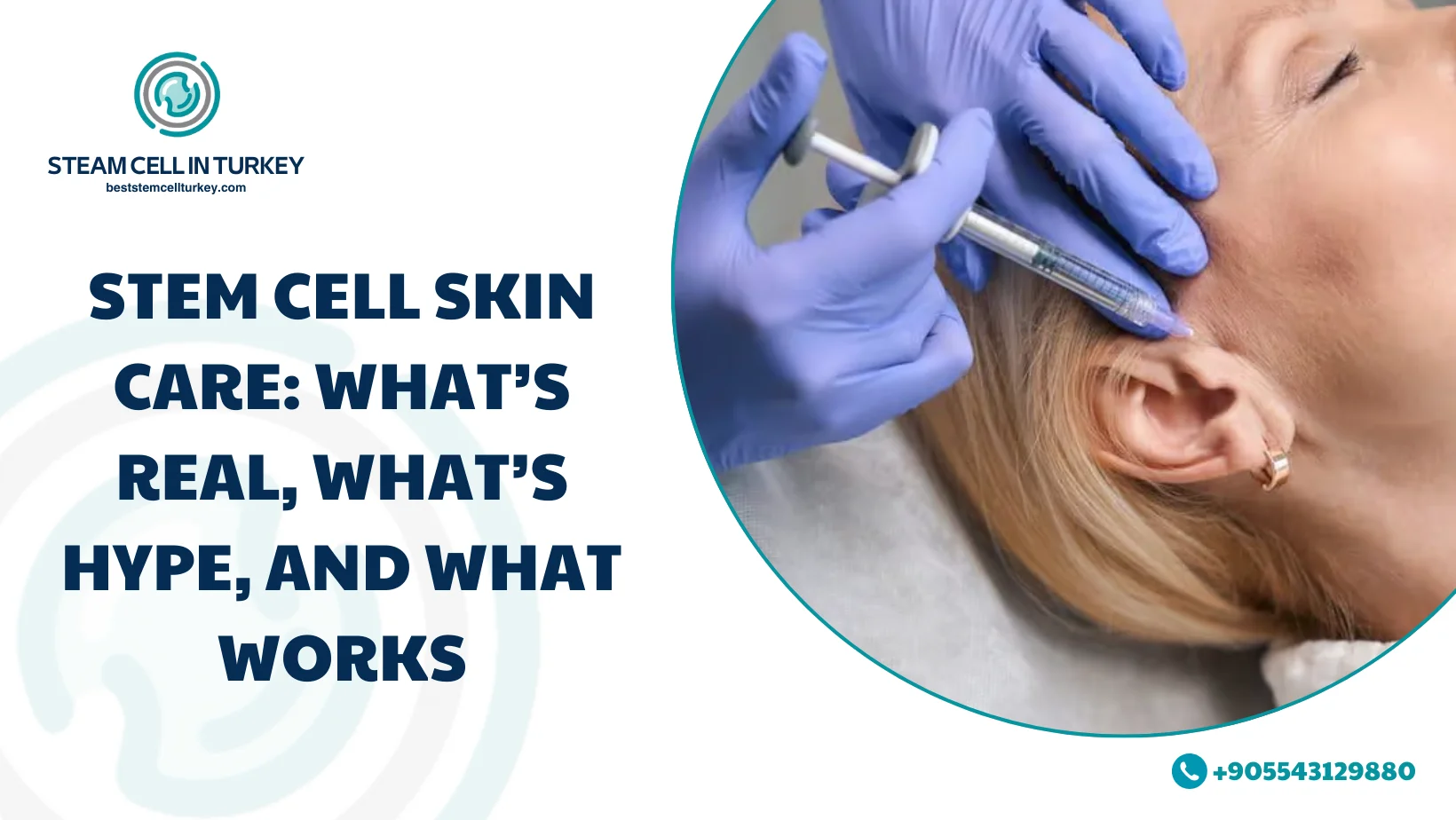
Skincare trends move fast—but your skin barrier and your wallet pay the price when marketing outpaces science. If you’ve been tempted by stem cell skin care promises (“regenerate,” “reverse aging,” “repair overnight”), you’re not alone. The good news: there are smart ways to evaluate these products and procedures, build a routine that actually delivers, and avoid risky or misleading claims—while still benefiting from modern innovation where it’s supported. If you want a personalized plan built around your skin goals and safety-first guidance, book your consultation today.
What Stem Cell Skin Care Usually Means
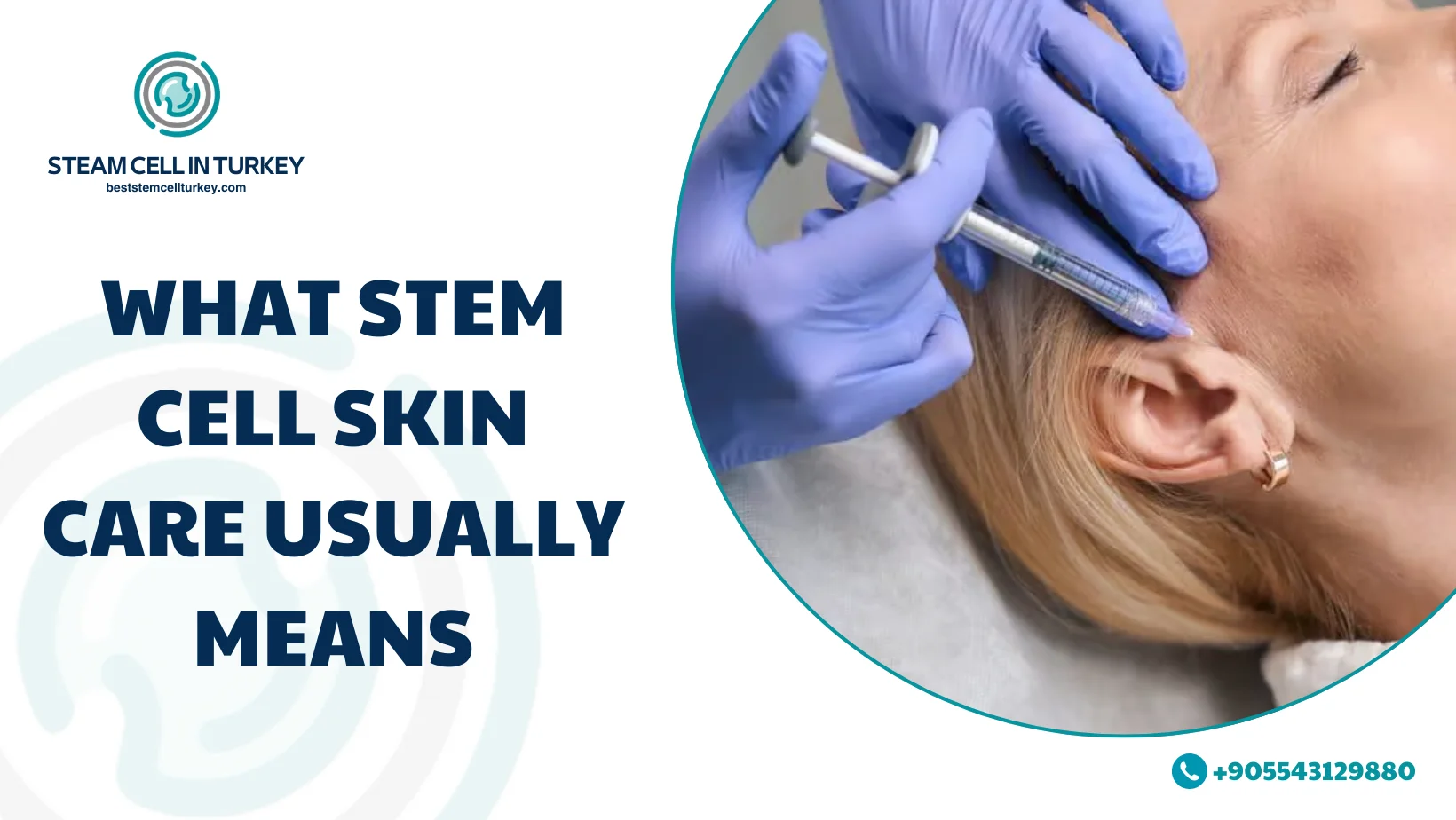
In everyday marketing, stem cell skin care can refer to very different things—some relatively harmless, some scientifically shaky, and some potentially risky depending on source and use. A major reason for confusion is that skincare labels often use “stem cell” as a broad buzzword, even when the product contains no living stem cells at all. Peer-reviewed reviews in dermatology describe this space as evolving, with a wide range of product types and varying evidence levels.
Most offerings fall into one of these buckets:
- Topical cosmetics featuring plant-derived “stem cell” extracts or callus culture extracts
- Professional aesthetic treatments marketed as stem cell facial or regenerative skincare (often combined with procedures like microneedling)
- Products or services using “exosomes” (often branded as exosome skincare)
- Medical or injectable claims (where regulation and safety expectations are significantly higher)
Plant “Stem Cells” vs Human-Derived Claims
Plant stem cell extracts (common in cosmetics)
Plant stem cell–related cosmetics typically use extracts derived from plant cell cultures (not living human stem cells). Reviews note that these ingredients may support skin appearance through antioxidant and protective effects, but they do not “become” human stem cells or directly rebuild skin the way the marketing sometimes implies.
A practical takeaway: plant-derived ingredients can be fine as part of a well-formulated product, but you should treat dramatic “regeneration” promises as marketing language—not guaranteed biology.
Human-derived “stem cell” claims (where you should be extra careful)
When you see claims suggesting human stem cells are being used to “rebuild” your skin, pause. The U.S. FDA states that stem cell products are regulated and that, generally, stem cell products require FDA approval. The FDA also notes the limited scope of FDA-approved stem cell products (in the U.S.)—focused on blood-forming stem cells from cord blood for specific blood disorders, not cosmetic anti-aging uses.
Where Exosomes Fit In (Exosome Skincare)
Exosomes are tiny extracellular vesicles that cells release; they’re being studied for roles in communication and repair. In aesthetic dermatology, topical exosome products have become a major trend—especially as add-ons after procedures that create micro-channels in the skin.
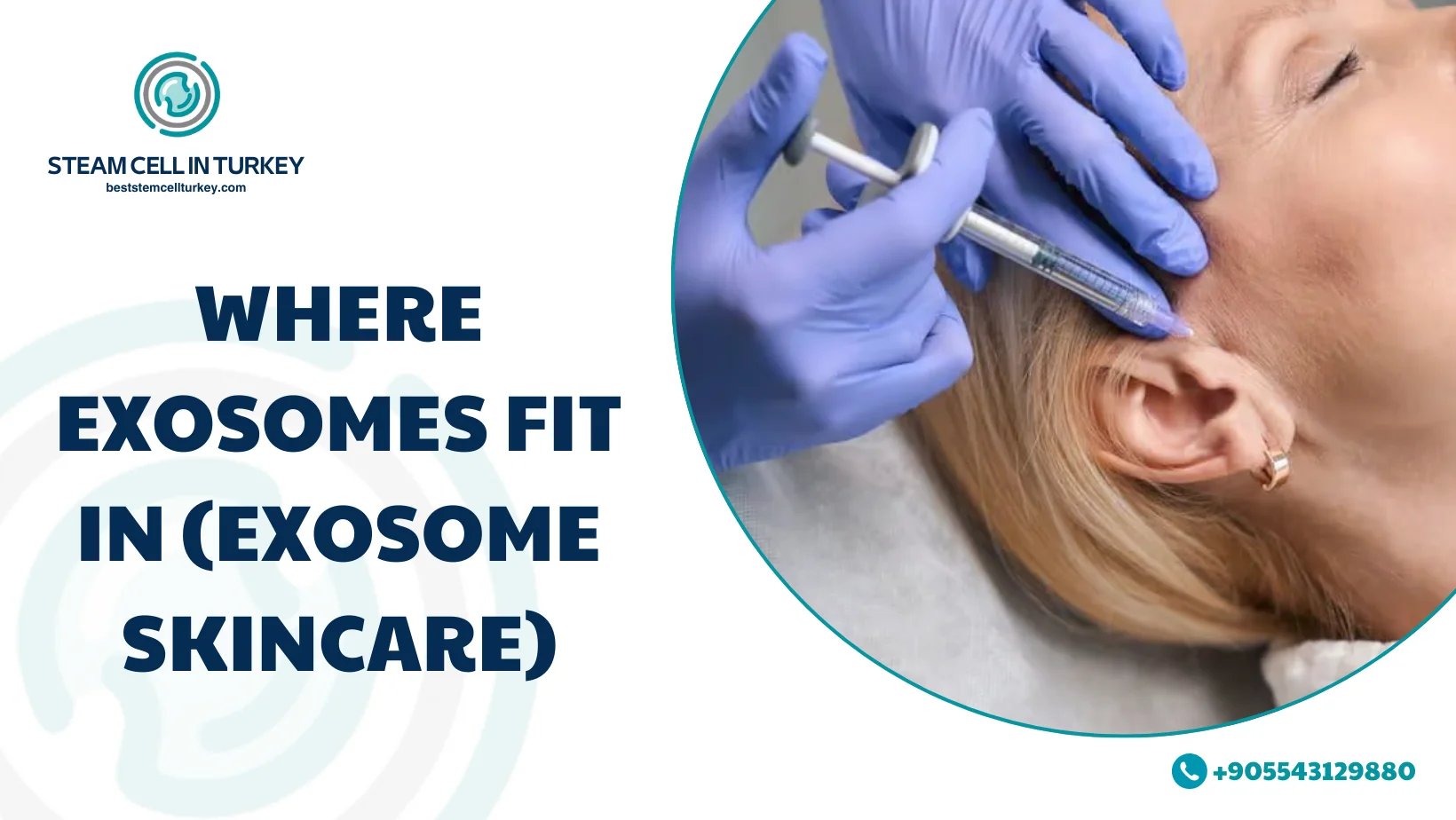
But regulation and evidence matter. Multiple peer-reviewed sources emphasize that exosomes are not FDA-approved for therapeutic use and highlight the regulatory complexity around exosome products.
So how should you think about exosome skincare?
- It may be promising in research contexts and controlled medical pathways
- Real-world commercial products can vary widely in source, purity, and quality controls
- You should demand transparency (source, handling, sterility where relevant, and compliance)
If a provider says exosomes (or “stem cells”) will cure medical diseases or guarantees dramatic reversal of aging, that’s a red flag—especially because the FDA continues to warn about broad marketing of unapproved regenerative medicine products.
What Actually Works for Anti-Aging (Even If It’s Not Trendy)
If your goal is firmer texture, smoother tone, and fewer fine lines, you don’t have to gamble on hype. Dermatologists emphasize fundamentals that consistently outperform flashy claims.
A strong routine typically includes:
- Daily broad-spectrum sunscreen (the #1 anti-aging step for most people)
- A retinoid/retinol strategy (introduced gradually)
- Barrier support (moisturizer, gentle cleansing, consistency)
The American Academy of Dermatology (AAD) provides practical guidance on how to use anti-aging products for best results and discusses choosing between retinoid vs retinol based on sensitivity and goals.
How to Build a Smart “Regenerative” Plan
If you’re exploring anti-aging stem cell treatment messaging, use this checklist to protect yourself while still staying open to innovation:
- Ask what the product actually contains (live cells? extracts? conditioned media? exosomes?)
- Ask about the source (plant vs human vs animal) and quality controls
- Look for realistic language (“may improve appearance”) rather than guaranteed results
- Prefer clinics that combine modern options with dermatologist-approved basics (sun protection + retinoids + barrier care)
- Avoid any provider who pressures you to pay before explaining risks and alternatives
Regulatory and consumer protection actions have repeatedly targeted deceptive regenerative medicine marketing claims—underscoring why skepticism is healthy.
Our Approach: Results, Safety, and Transparency
FAQs about Stem Cell Skin Care
Is stem cell skin care the same as stem cell therapy?
No. Skincare is usually topical cosmetic or aesthetic care. Stem cell therapy is a medical treatment category that is regulated and often limited to specific approved uses depending on the country.
Do skincare products contain real living stem cells?
Most cosmetic products do not contain living stem cells. Many use plant-derived extracts or ingredients marketed with “stem cell” language.
Are exosomes FDA-approved for cosmetic or medical use?
Peer-reviewed and regulatory discussions emphasize that exosome products are not FDA-approved for therapeutic use and that regulation is complex.
What’s the safest anti-aging routine to start with?
Dermatology guidance commonly prioritizes sunscreen, a tolerable retinoid/retinol plan, gentle cleansing, and moisturizing for barrier support.
How can I spot misleading marketing?
Be cautious with “guaranteed regeneration,” “miracle cure,” or “works for everyone” claims—especially if the provider can’t explain ingredients, source, and safety standards.
The smartest way to approach stem cell skin care is to combine curiosity with caution: understand what’s inside the product, prioritize dermatologist-proven basics, and avoid exaggerated claims—especially around exosomes and “stem cell” marketing. If you want a personalized, safety-first plan for healthier-looking skin, book your consultation today.
References
- FDA — Consumer Alert on Regenerative Medicine Products (Stem Cells & Exosomes):FDA
- FDA — Important Patient & Consumer Information About Regenerative Medicine Therapies: FDA
- FDA — Public Safety Alert (Unapproved Stem Cell & Exosome Products): FDA
- AAD — Anti-aging Skin Care (dermatologist guidance): AAD
- AAD — Retinoid or Retinol? (how to choose/use): AAD
- PMC (2024) — Regenerative topical skincare: stem cells and exosomes: PMC
- PMC (2017) — Plant stem cells in cosmetics: current trends and future directions: PMC
- MDPI (2024) — Plant-derived stem cells and skin senescence review: MDPI
- FTC (2025) — Enforcement action on deceptive stem cell marketing: FTC
Ready to plan with confidence?
→ Book a Free Consultation
→ Explore Financing Options
→ contact with us via what’s up