If you’ve been researching regenerative medicine, you’ve almost certainly seen mesenchymal cells mentioned everywhere—often with big promises and confusing terminology. The truth is more nuanced (and more useful): MSCs are one of the most studied cell types in modern regenerative research, but quality, evidence, and regulation vary dramatically. If you want a clear, case-specific plan and honest guidance, book your consultation today.
What Are Mesenchymal Cells?
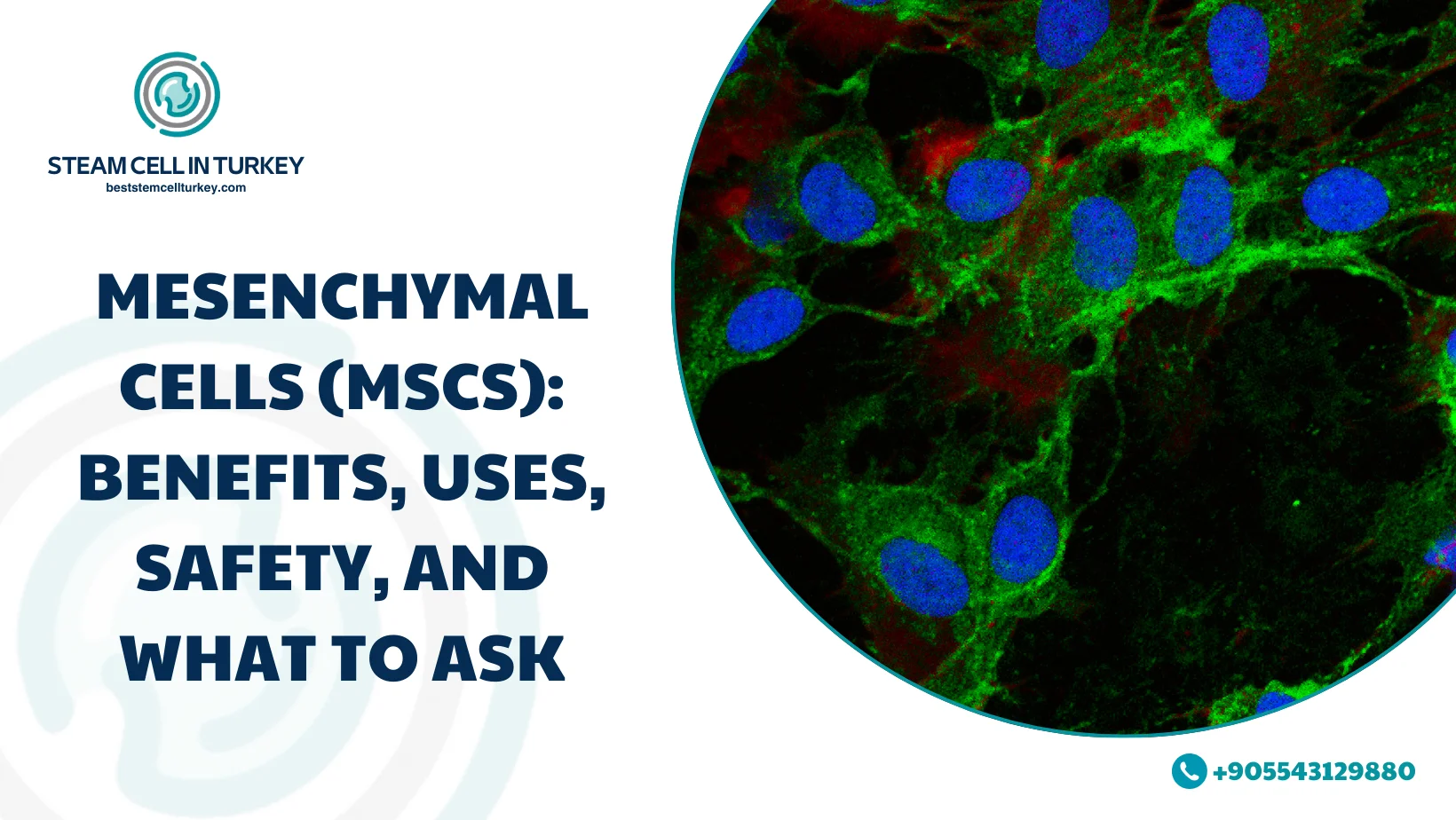
In clinical and research settings, what most people call mesenchymal cells are commonly referred to as mesenchymal stromal cells (MSCs)—cells that can be expanded in culture and are studied for their potential roles in tissue repair and immune modulation. One reason the terminology gets messy is that “stem cell” and “stromal cell” are often used interchangeably in marketing, even when the scientific definition is more specific.
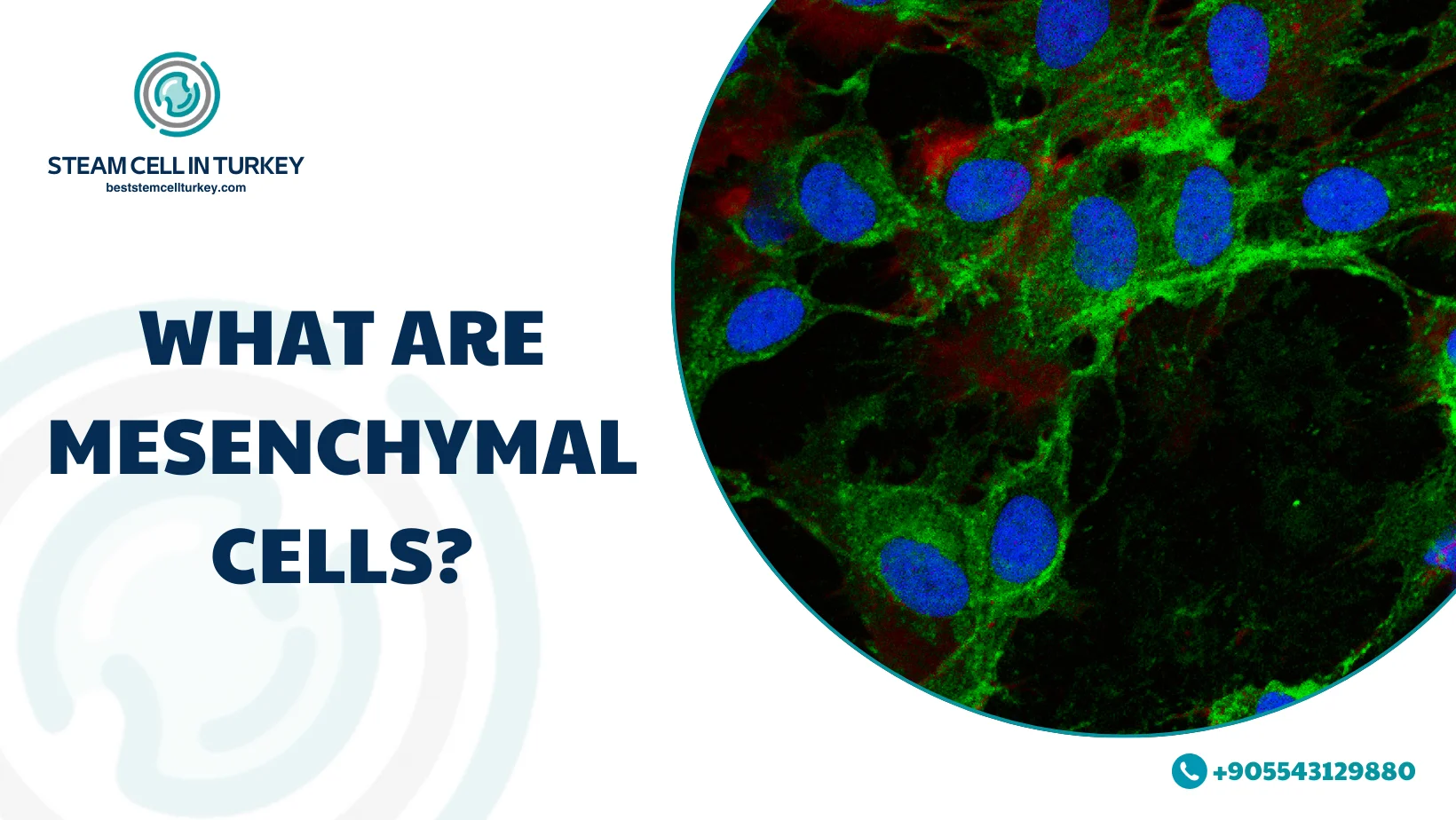
A widely cited position statement from the International Society for Cellular Therapy (ISCT) proposed minimal criteria to define human MSCs in culture, including: plastic adherence, a characteristic surface marker profile (e.g., CD105/CD73/CD90 positive and lacking certain hematopoietic markers), and the ability to differentiate into bone, fat, and cartilage cells under lab conditions.
Why MSCs Get So Much Attention
MSCs became popular in research because they’re relatively accessible, can be expanded in controlled lab settings, and are being investigated for how they may influence inflammation and tissue repair signaling.
Some clinical areas exploring MSC-based approaches include orthopedic conditions, inflammatory disorders, and neurologic injuries—often within structured clinical trials rather than routine standard care. Mayo Clinic, for example, describes ongoing clinical trials evaluating the safety and efficacy of mesenchymal stem/stromal cells in specific conditions such as low back pain.
Where MSCs Come From
MSCs can be sourced from different tissues, and the source can affect the protocol, documentation, and regulatory pathway. Commonly discussed sources include:
- Bone marrow–derived MSCs
- Adipose (fat)–derived MSCs
- Perinatal sources (e.g., umbilical cord/Wharton’s jelly), depending on jurisdiction and product classification
Because different sources are often marketed aggressively, it’s important to remember the FDA specifically cautions consumers about regenerative medicine products promoted as being derived from adipose tissue (including stromal vascular fraction), umbilical cord blood, Wharton’s jelly, and amniotic fluid—highlighting that patients should be careful and understand regulatory status.
How High-Quality MSC Products Are Characterized
If a clinic cannot explain quality controls in plain language, that’s a warning sign. A safety-minded MSC workflow typically includes:
- Clear documentation of cell source and chain-of-custody
- Testing or release criteria (identity/characterization, viability, sterility where applicable)
- Transparent handling and storage conditions
- A written plan for monitoring and follow-up
The ISCT minimal criteria paper is not a “clinic certificate,” but it’s a useful reference point for what serious characterization looks like in a scientific sense.
What MSCs Are Being Studied For
Here’s the honest way to interpret the current landscape: MSCs are widely studied, and early-phase research sometimes shows promising safety/tolerability signals, but many conditions still need stronger randomized controlled trial evidence before becoming routine care.
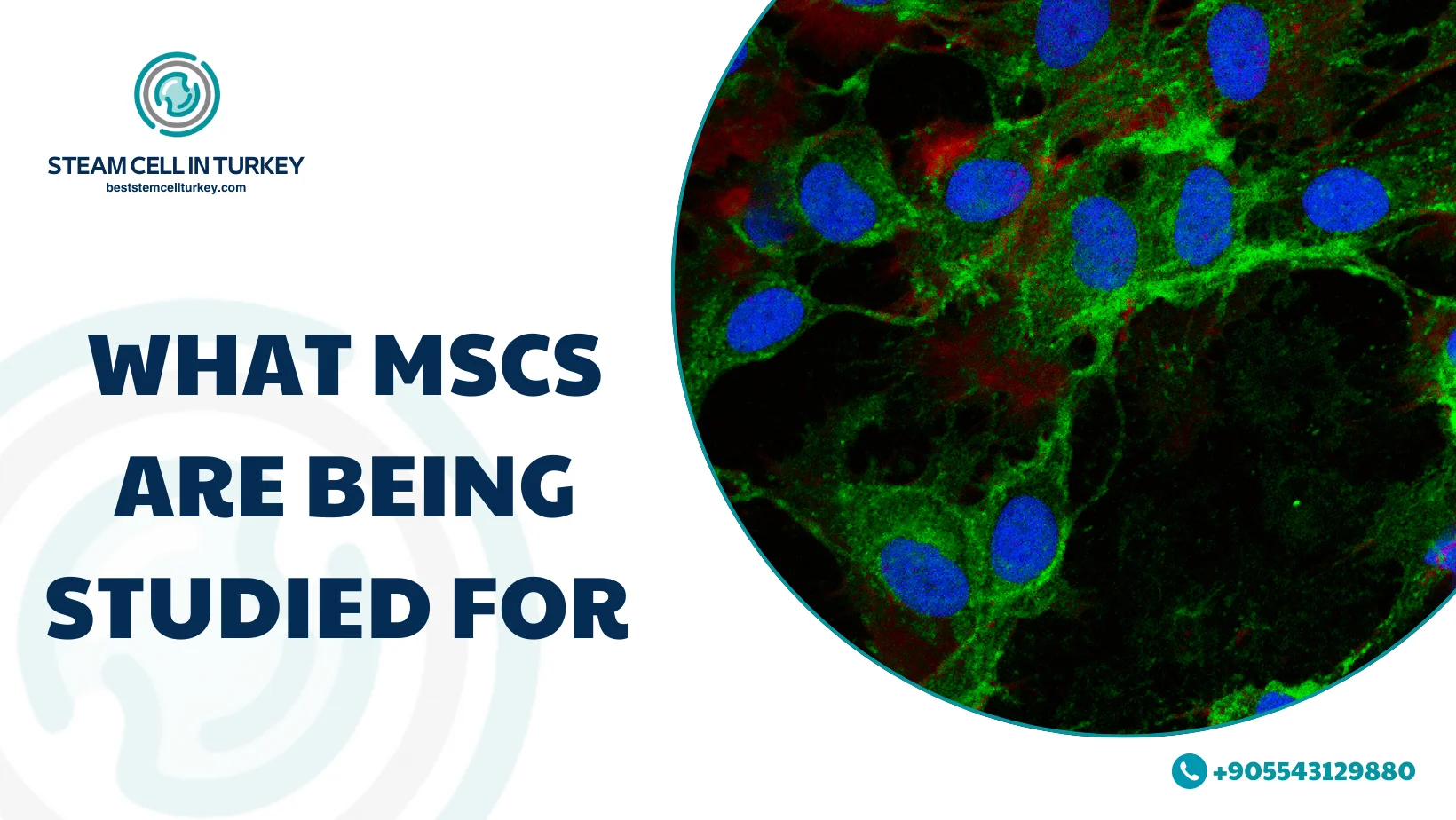
For example, published reviews in certain neurologic contexts report preliminary safety/tolerability but emphasize the need for more rigorous trials to confirm efficacy.
And major academic centers continue to run controlled studies to clarify dosing, mechanisms, and outcomes.
So, when you evaluate claims:
- Prefer condition-specific clinical data over testimonials
- Look for trial registration, published outcomes, and clear endpoints
- Be cautious of “treats everything” marketing
Safety, Regulation, and Red Flags You Should Not Ignore
Because “stem cell” is a high-demand keyword, some businesses market unapproved regenerative products as if they are routine medical services.
The FDA warns consumers about regenerative medicine products (including stem cell products and exosome products), noting that there are currently no FDA-approved exosome products and advising caution with products marketed for many diseases.
Practical red flags:
- Guaranteed results or “works for any condition” language
- No written explanation of what the product is and how it’s tested
- Pressure to pay immediately (especially before medical review)
- Avoiding questions about regulatory status, trials, or adverse event reporting
How to Choose a Clinic: The Questions That Protect You
Before you commit, ask questions that force clarity:
- What exactly are you using—MSCs as a defined cell product, or something else?
- What is the source tissue, and what documentation comes with it?
- What characterization/testing is performed (identity, viability, sterility, release criteria)?
- Is this offered under an approved indication, a regulated trial, or an experimental pathway?
- What follow-up plan is included, and how are complications handled?
Also look for alignment with professional ethics guidance. The ISSCR guidelines emphasize responsible clinical translation and the need for safety and effectiveness to be demonstrated before marketing substantially manipulated or non-homologous cell interventions to patients.
Why Patients Choose Our Team
At Best Stem Cell Turkey, our priority is clarity and patient safety—especially in a field where marketing can be louder than evidence. We help you understand what mesenchymal cells are, what outcomes are realistic for your condition, what questions to ask, and how to compare options responsibly.
Visit our website and book your consultation here: Best Stem Cell Turkey
FAQs about Mesenchymal Cells

Are mesenchymal cells the same as “stem cells”?
In many contexts, mesenchymal stromal cells (MSCs) are discussed as “mesenchymal stem cells,” but terminology can vary. Scientific groups like ISCT proposed minimal criteria to define MSCs in culture.
What do MSCs do?
They are studied for potential roles in immune modulation and tissue repair signaling, but effectiveness depends on the condition, protocol, and evidence base.
Are MSC treatments approved everywhere?
No. Regulations differ by country. The FDA has issued consumer information and alerts about unapproved regenerative medicine products marketed for many conditions.
How can I avoid unsafe clinics?
Avoid guaranteed claims, insist on documentation/testing transparency, and prefer programs tied to published data or regulated pathways.
What’s a good sign that a clinic is serious?
Clear explanation of the product, testing/release criteria, follow-up plan, and a willingness to discuss limitations and alternatives.
Mesenchymal cells can be a powerful area of modern regenerative research—but the safest outcomes come from informed decisions, transparent quality standards, and evidence-aligned care. If you want help evaluating options and building a realistic plan for your case, book your consultation today.
References
- ISCT Position Statement (Dominici et al., 2006) — Minimal criteria for defining multipotent mesenchymal stromal cells (PubMed): Pubmed
- ISCT/Cytotherapy Full Text — Minimal criteria paper: ISCT
- FDA — Consumer Alert on Regenerative Medicine Products (incl. stem cells & exosomes): FDA
- FDA — Important Patient & Consumer Information About Regenerative Medicine Therapies: FDA
- ISSCR — Guidelines (main page): ISSCR
- ISSCR — Clinical Translation of Stem Cell-based Interventions (2025 update page): ISSCR
- Mayo Clinic — Evaluating safety/efficacy of MSCs for low back pain (clinical trials): MayoClinic
- Mayo Clinic — Stem Cell Therapy Clinical Trials (examples incl. MSC studies): MayoEdu
- PMC Review (2019) — MSCs in hemorrhagic stroke: safety/tolerability signals, need for RCTs: PMC
Ready to plan with confidence?
→ Book a Free Consultation
→ Explore Financing Options
→ contact with us via what’s up