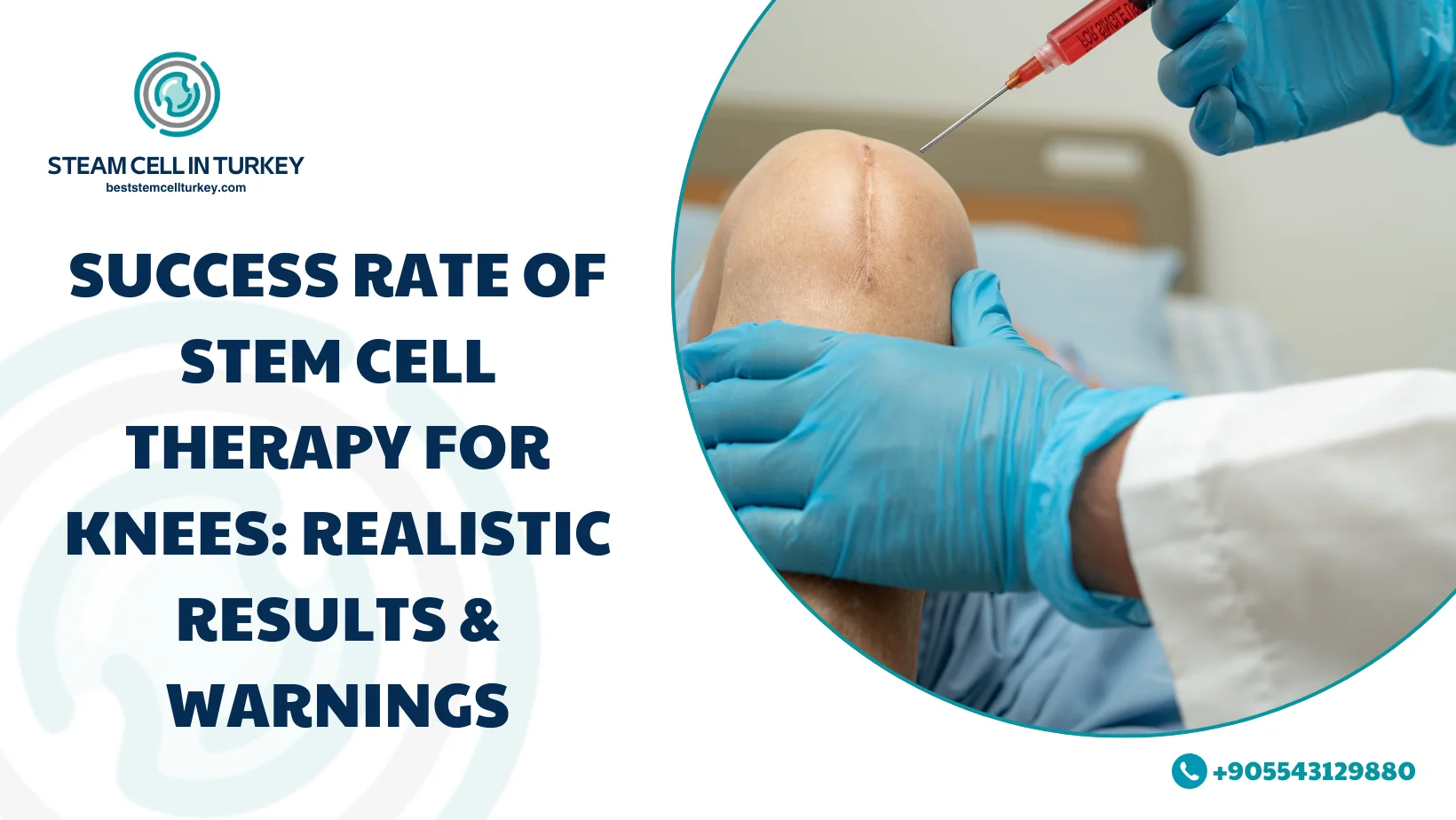
People search for stem therapy when they’re tired of temporary fixes—joint pain that keeps coming back, injuries that don’t heal “like they used to,” or chronic problems where they want something more than symptom control. But the online world makes it hard to separate real medicine from loud marketing. This guide breaks down what stem therapy can mean, what’s realistic today, how safety and regulation work, and how to choose a clinic without getting misled. For a personalized plan and eligibility review, book your consultation today.
What Stem Therapy Means
Stem therapy is a popular phrase people use to describe medical approaches that use stem cells—or stem-cell-related products—to repair, replace, or support damaged tissues.
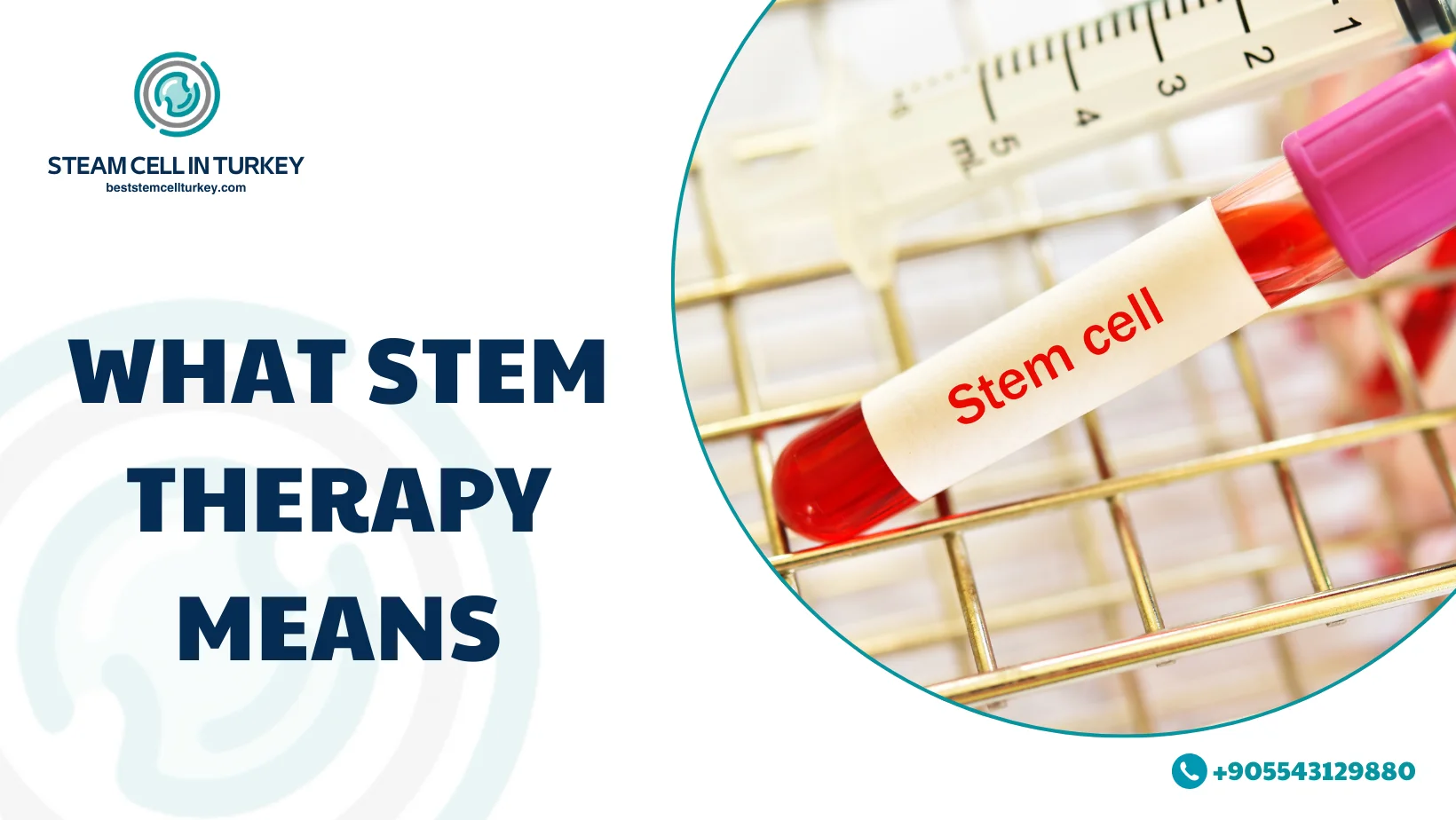
The most important thing to understand is that “stem therapy” is not one standardized procedure. It can mean very different things depending on:
- the condition being treated
- the cell source and how the product is prepared
- whether the approach is approved, in a regulated clinical trial, or experimental
This is exactly why patient education matters: you want clarity on what is being offered and under what oversight.
Where Stem Cells Are Clearly Used in Medicine
In mainstream medicine, some stem-cell-based treatments are well-established—especially blood-forming stem cell transplants used in certain cancers and blood disorders. Mayo Clinic explains the basics of stem cells, their types, and how they’re used and studied in medicine.
In the United States, the FDA states that, currently, the only FDA-approved stem cell products are blood-forming stem cells derived from umbilical cord blood, approved for disorders affecting blood production—not for other uses.
Why “Unapproved” Doesn’t Mean “Useless”
Many legitimate medical advances start as experimental ideas tested in clinical trials. The problem is when clinics market experimental or unproven products as if they are guaranteed, routine care.
The FDA warns that regenerative medicine products are regulated, and there continues to be broad marketing of unapproved products claiming to treat or cure many diseases. It also notes these products generally require FDA oversight in a clinical trial before approval.
A simple takeaway:
- Clinical trials = a structured pathway to learn what works and what’s safe
- “Pay-to-treat” marketing with vague protocols = higher risk and lower accountability
How Cell-Based Therapy Is Delivered
Depending on diagnosis and protocol, a cell-based therapy plan may involve:
- localized injections (for targeted areas)
- systemic delivery such as IV infusion (for broader effects)
- staged approaches (multiple sessions + follow-up monitoring)
A reputable clinic should explain why a delivery method fits your condition and what outcomes will be measured over time—not just “you’ll feel younger.”
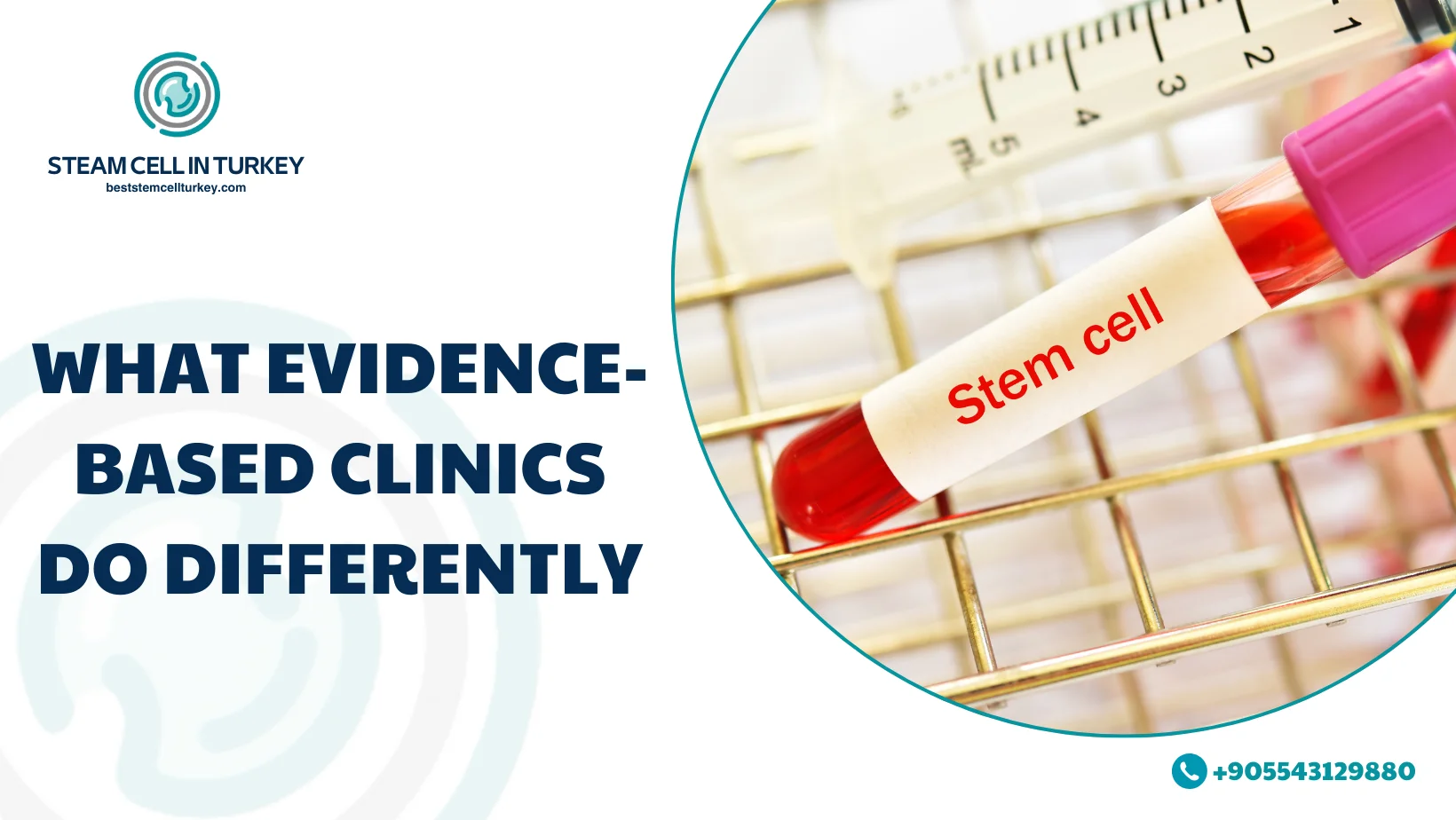
What Evidence-Based Clinics Do Differently
A trustworthy stem cell treatment pathway usually includes:
- a diagnosis-first consultation (imaging/labs when appropriate)
- written informed consent that covers risks and alternatives
- clear product explanation (source, handling, testing standards where applicable)
- a plan for adverse event management and follow-up
- outcome tracking (not only testimonials)
The ISSCR’s patient-facing treatment guide was built specifically to help people navigate this landscape—covering basics, clinical trials, ethical review, and decision tools for patients.
Red Flags That Should Make You Walk Away
If you’re considering regenerative therapy, treat these as deal-breakers:
- “Works for any disease” or “guaranteed cure” language
- No clear explanation of what is administered (cells? exosomes? tissue-derived material?)
- No discussion of risks, contraindications, or what happens if you worsen
- Pressure to pay immediately (especially before medical review)
- Claims framed as “FDA-approved” without verifiable details
The FDA has also issued public safety alerts about serious adverse events linked to unapproved products marketed as containing exosomes, and notes that some clinics offering illegal “stem cell” products have also offered exosome products.
What a Strong Consultation Looks Like
Bring these questions to any stem therapy consultation:
- What is my diagnosis, and what evidence supports this approach for it?
- Is this an approved use, part of a regulated clinical trial, or experimental care?
- What is the cell source (autologous vs donor-derived), and what documentation exists?
- What testing and quality controls apply (identity/viability/sterility where relevant)?
- What results can I realistically expect, and on what timeline?
- What are the most common side effects and rare serious risks?
- What does follow-up care include, and who manages complications?
If the clinic gives vague answers, that is your answer.
Costs: Why Pricing Varies and How to Compare Fairly
Costs vary because protocols vary. A safer way to compare is to request an itemized quote that clearly states:
- what is included (consultations, diagnostics, procedure, medications, follow-up)
- how many sessions are expected
- what is excluded (extra imaging, add-on procedures, extended stays)
- how complications are handled and whether follow-ups are included
Avoid comparing only the headline number. Compare the medical structure behind it.
Why Patients Choose Our Team
Visit our website and book your consultation here: Best Stem Cell Turkey
FAQs about Stem Therapy
Is stem therapy the same as stem cell therapy?
Most people use the terms interchangeably. Stem therapy is a broad phrase that can include different types of cell-based therapy depending on the condition and protocol.
Are all stem cell treatments approved?
No. The FDA warns that many regenerative medicine products are marketed without approval, and that products generally require oversight in clinical trials before approval.
How do I know if something is part of a real clinical trial?
Ask for the trial registration and details, and verify independently. Mayo Clinic lists stem cell therapy clinical trials and illustrates how structured research programs describe studies and oversight.
What’s the biggest safety red flag?
A clinic that promises guaranteed results or claims one protocol can treat many unrelated diseases, while avoiding details about what is administered and how risks are managed.
Can regenerative therapy help joint pain or injuries?
Some approaches are being studied for musculoskeletal conditions, but effectiveness depends on diagnosis, severity, protocol quality, and evidence. Always insist on a diagnosis-based plan and realistic expectations.
The best outcomes with stem therapy come from clarity: the right diagnosis, the right level of evidence, transparent product standards, and a clinic that treats safety as non-negotiable. If you want help evaluating options and building a realistic plan tailored to your condition, book your consultation today.
References
- FDA — Important Patient & Consumer Information About Regenerative Medicine Therapies FDA
- FDA — Consumer Alert on Regenerative Medicine Products (Including Stem Cells & Exosomes) FDA
- FDA — Public Safety Alert Due to Marketing of Unapproved Stem Cell & Exosome Products FDA
- ISSCR — The ISSCR Guide to Stem Cell Treatments ISSCR
- ISSCR — Stem Cell Resources for Patients ISSCR
- Mayo Clinic — Stem cells: What they are and what they do Mayo Clinic
- Mayo Clinic — Stem Cell Therapy Clinical Trials Mayo Clinic
- Mayo Clinic (Medical Professionals) — Clinical trial of stem cell therapy for traumatic spinal cord injury Mayo Clinic
Ready to plan with confidence?
→ Book a Free Consultation
→ Explore Financing Options
→ contact with us via what’s up