If you’re exploring mesenchymal stem cells therapy, you’re probably looking for something deeper than symptom relief—especially if pain, inflammation, or slow recovery is limiting your life. But the internet mixes real science with aggressive marketing, and that can make it hard to know what’s legitimate. This guide explains what mesenchymal stem cells therapy actually means, what responsible clinics do differently, what safety signals regulators highlight, and how to compare options with confidence. For a personalized plan and an evidence-aware eligibility review, book your consultation today.
What Mesenchymal Stem Cells Therapy Means
Mesenchymal stem cells therapy is a broad, commonly used phrase describing medical or investigational approaches that use mesenchymal stem/stromal cells (often shortened to “MSCs”).
Here’s the key point: this is not one standardized treatment. The term can cover very different products, sources, processing methods, and oversight pathways—so your first job is to clarify what exactly is being offered.
How MSCs Are Thought to Work
In many research discussions, MSCs are studied for their ability to influence tissue repair environments and immune signaling through a mix of cell-to-cell interactions and secreted factors.
That’s why they show up in research across orthopedics, neurology, inflammatory conditions, and more—often in early-stage trials rather than established routine care.
A practical way to interpret this:
- MSCs are widely studied
- outcomes vary by diagnosis and protocol
- claims should be tied to condition-specific evidence
What Regulators Say (A Reality Check That Protects You)
Because MSCs are heavily marketed, it’s essential to understand what regulators warn patients about.
Regulates regenerative medicine products, including stem cell products and exosome products, and warns there is a lot of misleading information online about these products and what they can treat.
Examples of unapproved products marketed to patients—including stem cells, fat-derived cell mixtures, umbilical cord blood, Wharton’s jelly, and exosomes—and notes reports of serious harms such as infections and other complications from unapproved products.
This doesn’t mean research is meaningless. It means you should insist on transparency: source, processing, testing, oversight, and a follow-up plan.
Where MSC Therapy Is Being Studied
One of the safest signs in this field is structured clinical research conducted by reputable institutions.
Mayo Clinic, for example, describes ongoing clinical trials evaluating the safety and efficacy of mesenchymal stem cells in the treatment of low back pain—highlighting that high-quality research is still needed and is actively being conducted.
That’s the model you want to see: defined inclusion criteria, clear endpoints, safety monitoring, and transparency about what is known vs what is still being tested.
Why Results Vary So Much Between Clinics
Patients often ask: “Why does one clinic promise 90% success while another sounds cautious?”
Usually it comes down to these variables:
- diagnosis accuracy (wrong diagnosis = wrong treatment)
- stage/severity of the condition
- source of cells and how they’re handled
- processing standards and contamination control
- dose, delivery route, and number of sessions
- how outcomes are measured and followed
If a clinic refuses to explain these variables, they’re not offering a medical plan—they’re selling a story.
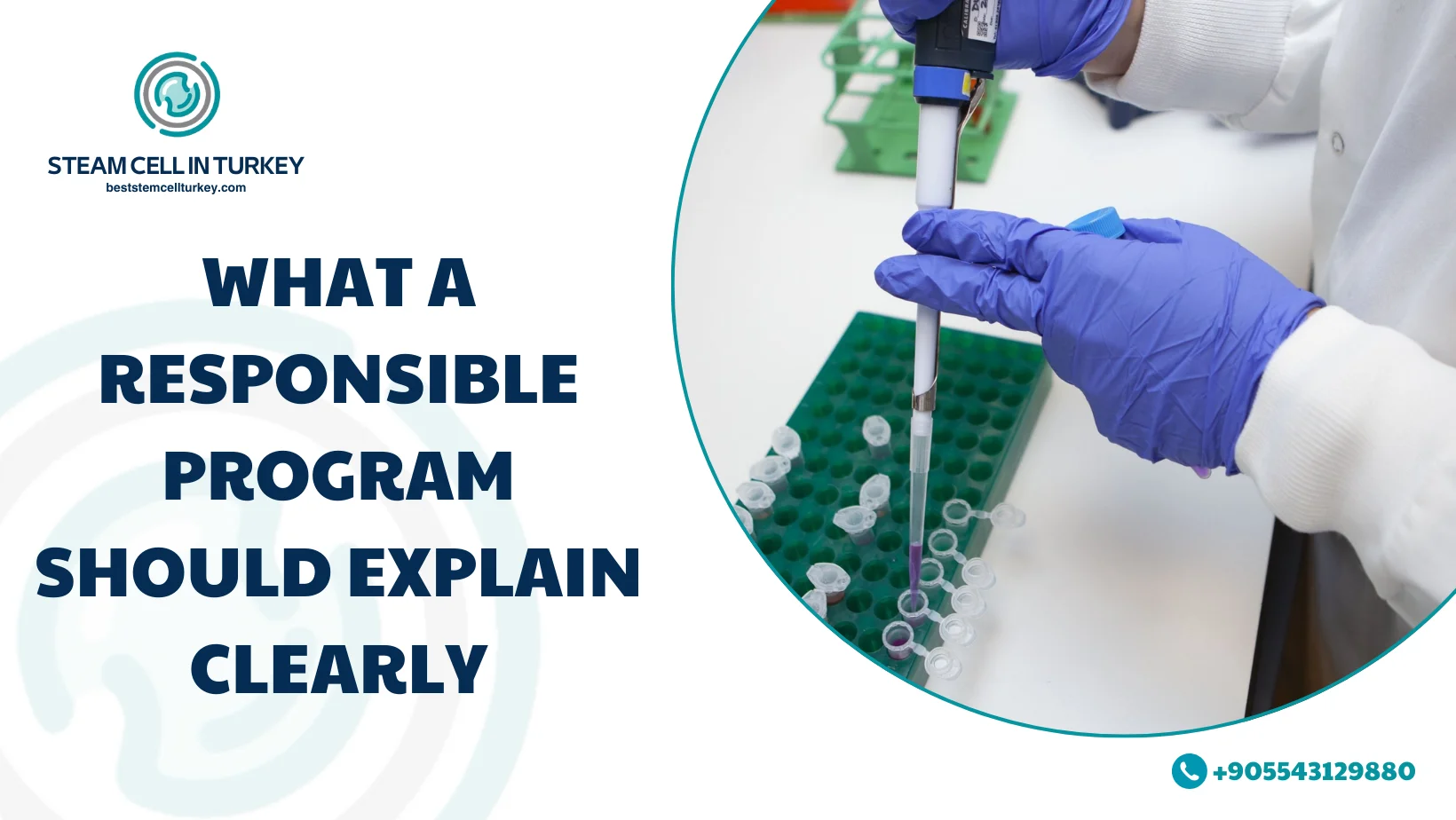
What a Responsible Program Should Explain Clearly
When evaluating mesenchymal stromal cell therapy, insist on clear answers to these categories:
Product identity and source
- Autologous (your own cells) vs donor-derived?
- What tissue source is used?
- What documentation exists for traceability and chain-of-custody?
Testing and release standards
- What checks are done before administration (identity/characterization, viability)?
- What sterility or contamination controls apply (where relevant)?
- What “release criteria” must be met before use?
Oversight and follow-up
- Is this an approved use in that country, an investigational clinical trial, or an experimental service?
- What adverse event monitoring exists?
- What follow-up visits and outcome tracking are included?
Europe and ATMPs: Why This Can Matter for Cell Therapies
If you’re comparing options across countries, regulatory frameworks differ.
In Europe, the European Medicines Agency (EMA) describes advanced therapy medicinal products (ATMPs) as medicines for human use based on genes, tissues, or cells.
Many cell-based products can fall into this category depending on how they’re processed and intended to be used—so reputable providers should be transparent about the product classification and oversight pathway in the country where treatment occurs.
Red Flags That Should Make You Walk Away
If you see these signs, protect yourself:
- “Guaranteed cure” or “works for dozens of diseases”
- no written explanation of what is administered
- unclear or evasive answers about testing, source, and oversight
- high-pressure deposits before medical evaluation
- no follow-up plan or complication management pathway
The FDA has also issued public safety communications about serious adverse events linked to unapproved products marketed as exosomes and notes that clinics offering illegal “stem cell” products may also offer exosome products—another reason to demand clarity and documentation.
Why Patients Choose Our Team
Book your consultation here: Best Stem Cell Turkey
FAQs about Mesenchymal Stem Cells Therapy

Is mesenchymal stem cells therapy approved everywhere?
No. Approval and regulation depend on the country and the specific product. The FDA warns many regenerative products marketed to consumers are unapproved, and misleading claims are common.
What’s the difference between MSC therapy and “stem cell injections” advertised online?
MSC therapy should be clearly defined by source, processing standards, testing, and oversight. Vague “stem cell injections” with no documentation are a major red flag.
How can I know if the clinic’s claims are evidence-based?
Ask for condition-specific studies, outcomes tracking methods, and whether treatment is part of a regulated trial. ISSCR’s guide helps patients evaluate these claims.
Are there reputable institutions studying MSCs?
Yes. Mayo Clinic describes clinical trials evaluating the safety and efficacy of mesenchymal stem cells in low back pain, showing structured research is ongoing.
What’s the #1 safety step before booking?
Get everything in writing: product description, source, testing standards, oversight status, and follow-up plan. The FDA warns of serious harms from unapproved regenerative products—so documentation matters.
The safest way to approach mesenchymal stem cells therapy is to treat it like a serious medical decision: confirm your diagnosis, demand transparency about product quality and oversight, and choose a provider that tracks outcomes and discusses limitations honestly. If you want help comparing options and building a realistic plan you can trust, book your consultation today.
References
- FDA — Consumer Alert on Regenerative Medicine Products (Stem Cells & Exosomes): FDA
- FDA — Important Patient & Consumer Information About Regenerative Medicine Therapies: FDA
- FDA — Public Safety Alert Due to Marketing of Unapproved Stem Cell & Exosome Products: FDA
- ISSCR — The ISSCR Guide to Stem Cell Treatments: ISSCR
- ISSCR Patient Handbook (PDF): ISSCR
- Mayo Clinic — Evaluating the safety and efficacy of mesenchymal stem cells in low back pain: Mayo Clinic
- Mayo Clinic — Back Pain Clinical Trials (examples incl. MSC studies): Mayo Clinic
- EMA — Advanced therapy medicinal products (ATMPs) overview: EMA
- EMA Glossary — Advanced therapy medicinal product (ATMP): EMA
Ready to plan with confidence?
→ Book a Free Consultation
→ Explore Financing Options
→ contact with us via what’s up