COPD Support
Chronic Obstructive Pulmonary Disease involves progressive airflow limitation and chronic airway inflammation. Regenerative medicine explores supportive roles using MSCs and exosomes to assist in pulmonary inflammation modulation and respiratory environment regulation.
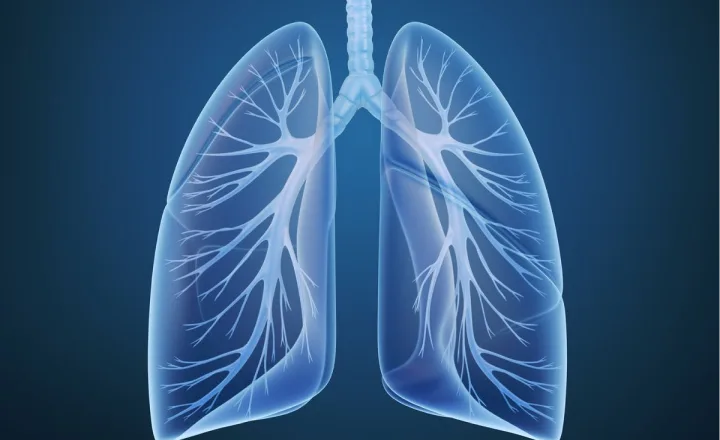
Introduction to Pulmonary Support
Chronic Obstructive Pulmonary Disease (COPD) is a progressive respiratory condition characterized by airflow limitation, chronic inflammation of the airways, and reduced lung function over time. Common symptoms include shortness of breath, chronic cough, mucus production, and decreased exercise tolerance. Standard management typically involves inhaled medications, oxygen therapy, pulmonary rehabilitation, and long-term pulmonology supervision.
Regenerative medicine approaches such as mesenchymal stem cell (MSC) therapy combined with exosomes support are being clinically explored for their potential role in pulmonary inflammation modulation and respiratory environment regulation. These therapies are considered supportive adjunct treatments and are not a replacement for pulmonology care or prescribed respiratory medications. The objective is to support inflammatory balance, cellular signaling, and functional respiratory capacity.

Understanding COPD
COPD includes conditions such as:
Chronic bronchitis
Emphysema
The disease involves chronic airway inflammation and structural changes in lung tissue, which may progressively reduce oxygen exchange efficiency. COPD management focuses on symptom control, slowing disease progression, and maintaining functional capacity.
How Stem Cells May Provide Support
Mesenchymal stem cells (MSCs) are studied for their immunomodulatory and anti-inflammatory signaling characteristics. In the context of pulmonary research, MSC therapy is explored for its potential to:
Support pulmonary inflammation modulation
Assist respiratory environment regulation
Promote healthier cellular signaling
Support overall lung tissue environment
In COPD settings, MSC therapy is explored for potential roles in:
Pulmonary inflammation modulation
Respiratory function support
Supporting overall lung tissue environment
These therapies are described as supportive adjunct options, not curative or regenerative lung replacement procedures.
Exosomes Therapy - Complementary Role
Exosomes are extracellular vesicles involved in intercellular communication. When combined with MSC therapy, they are explored for:
Inflammatory signaling balance
Cellular communication support
Tissue environment regulation
Their use is individualized and always supervised by medical professionals.

Treatment Process
1
2
3
4
5
6
All protocols are aligned with the patient's primary respiratory specialist and existing medical plan.
Important Expectations
Stem cell therapy for COPD:
Does not cure COPD
Does not regenerate destroyed lung tissue
Does not replace inhalers or oxygen therapy
Must be part of a multidisciplinary care plan
Outcomes vary depending on disease stage, smoking history, and overall health status.
Who may be a candidate?
Individuals with:
Stable COPD under medical supervision
Persistent inflammation related symptoms
Functional limitations despite optimized therapy
Eligibility requires careful medical screening.
FAQs
Free Online Medical Consultation
Speak with a medical advisor and receive a personalized evaluation based on your medical reports. No obligation — professional guidance to help you understand available regenerative treatment options.
Book Free Consultation