NAD+
PRP therapy uses the patient's own concentrated platelets to accelerate natural healing processes, promote tissue regeneration, and stimulate cellular repair
 All-Inclusive PackagesGMP Certified Labs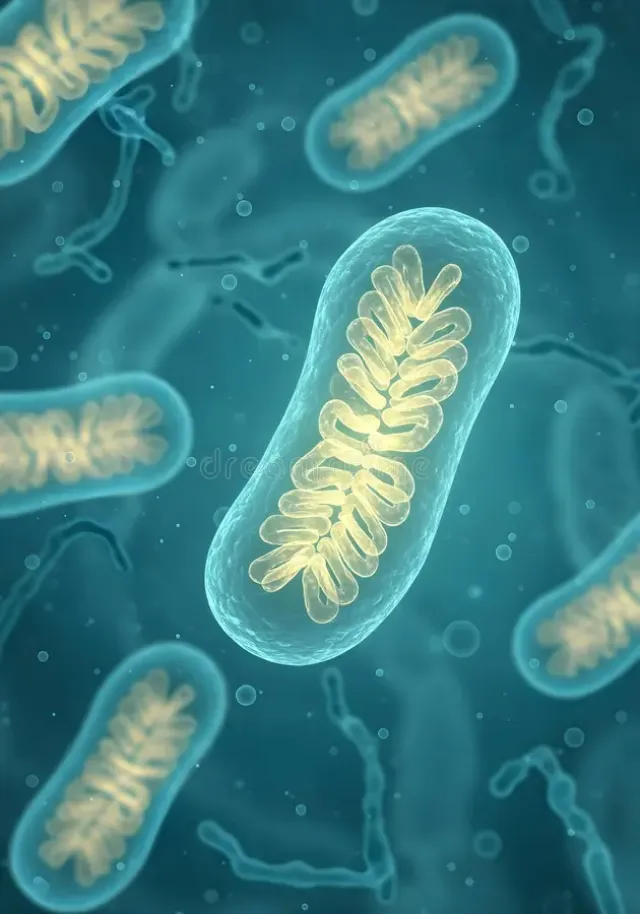
Introduction NAD+
NAD+ (Nicotinamide Adenine Dinucleotide) is a naturally occurring coenzyme found in every living cell and plays a central role in cellular energy production, DNA repair, and metabolic regulation. As NAD+ levels may decline with age, stress, and certain health conditions, NAD+ therapy is increasingly explored as a supportive approach for mitochondrial function and overall cellular vitality.
In Turkey, NAD+ therapy is administered under medical supervision using controlled intravenous protocols and individualized treatment planning. Rather than acting as a pharmaceutical drug, NAD+ therapy focuses on supporting existing biological pathways related to energy metabolism and cellular maintenance. Research continues to evaluate its potential role in cognitive support, fatigue management, and wellness-oriented longevity programs. Treatment suitability is determined through medical consultation and patient evaluation.
What Is NAD+
NAD+ is a coenzyme essential for cellular metabolism and biochemical reactions that convert nutrients into usable energy. It is present in all human cells and is involved in enzymatic processes related to DNA repair, gene expression, and mitochondrial activity. Because NAD+ participates in fundamental cellular pathways, maintaining balanced levels is considered important for metabolic stability and cellular function.
Cellular Role of NAD+
NAD+ functions as an electron carrier in metabolic reactions that generate ATP, the primary energy currency of the cell. It also supports sirtuin activation, oxidative stress regulation, and cellular repair mechanisms. By influencing mitochondrial efficiency and biochemical signaling, NAD+ plays a key role in maintaining cellular resilience and metabolic balance.
Clinical Applications
NAD+ therapy is explored in supportive wellness and regenerative programs, including:
Energy and fatigue support
Cognitive clarity and focus
Stress-related wellness protocols
Post-injury tissue recovery
Metabolic balance programs
Suitability depends on physician evaluation and individual health goals.
Anti-aging Mechanisms
NAD+ is associated with cellular maintenance pathways, including sirtuin activity and DNA repair processes. While NAD+ therapy is not an anti-aging cure, it is often included in longevity-focused wellness programs aimed at supporting metabolic efficiency and cellular resilience.
Neurological Support
Because NAD+ participates in neuronal energy metabolism and oxidative stress regulation, it is being studied in cognitive wellness and neurological support programs. Clinical research continues to explore its potential role in mental clarity and neuroprotective pathways.
Treatment Protocol
A standard NAD+ therapy protocol may include:
1
2
3
4
5
Session duration and frequency vary depending on individual goals.
Safety
NAD+ therapy is generally performed under physician supervision with controlled infusion rates and patient screening. Safety depends on medical evaluation, dosage planning, and clinical monitoring. As with all supportive therapies, realistic expectations and professional oversight are essential.
FAQs
Free Online Medical Consultation
Speak with a medical advisor and receive a personalized evaluation based on your medical reports. No obligation — professional guidance to help you understand available regenerative treatment options.
Book Free Consultation