exosomes
Exosomes are nano-sized extracellular vesicles responsible for cell-to-cell communication. They play a critical role in tissue repair, inflammation control, and regenerative signaling pathways.
 All-Inclusive PackagesGMP Certified Labs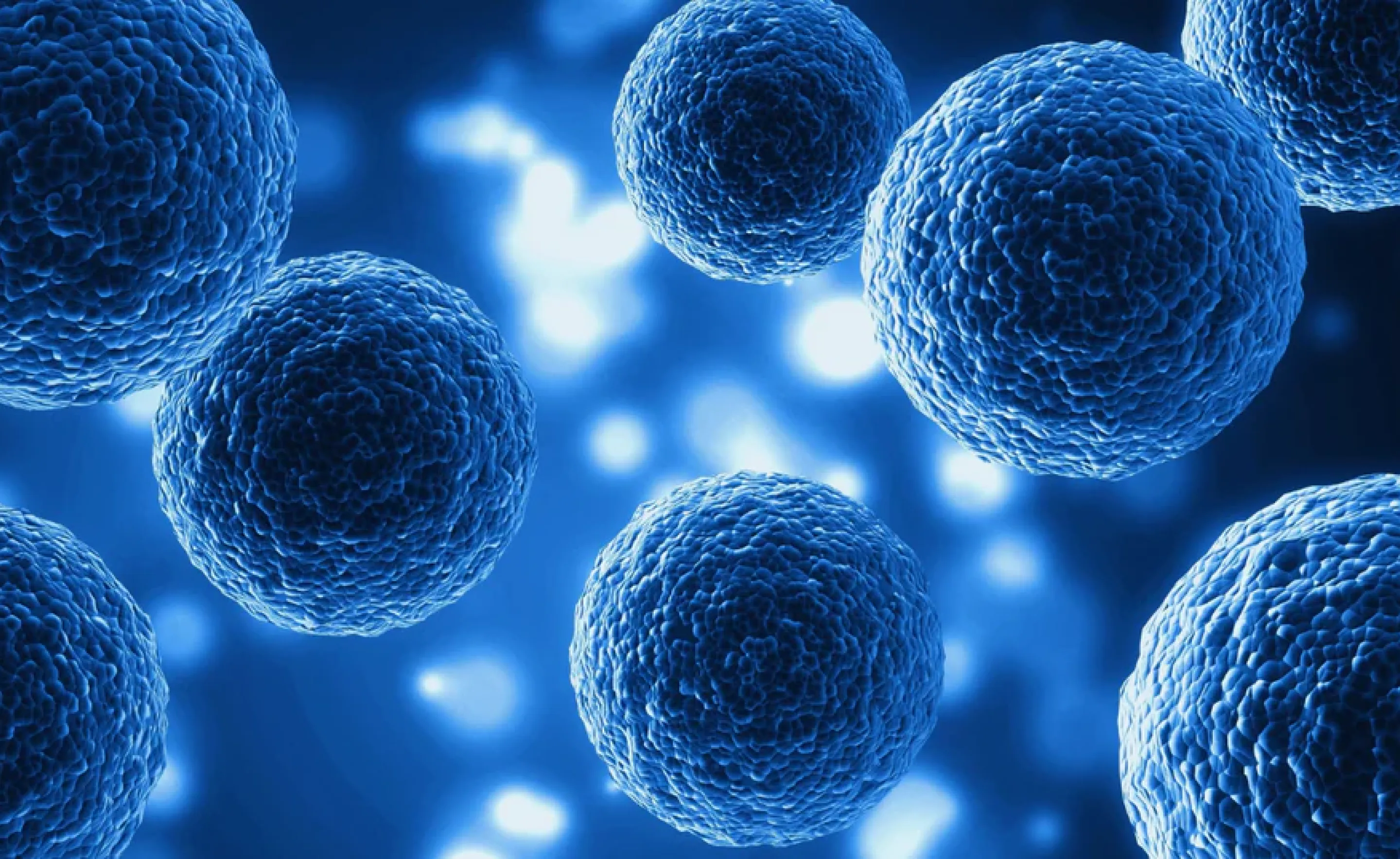
Introduction to Exosomes Therapy
Exosomes therapy is an advanced regenerative medicine approach that focuses on cellular communication rather than cell transplantation. Exosomes are nano-sized extracellular vesicles naturally released by stem cells and other cells in the body. They carry growth factors, proteins, and genetic signaling molecules that help regulate inflammation, support tissue repair, and influence cellular recovery pathways.
In Turkey, exosomes therapy is performed under medical supervision using laboratory-tested biologic preparations that meet international quality and sterility standards. Because exosomes function as biological messengers, they are often used to complement stem cell therapy or as a standalone regenerative option in selected cases. Research in regenerative medicine continues to explore their role in orthopedic support, dermatology, neurological recovery, and immune modulation. Treatment protocols are personalized based on medical evaluation and individual health status.
What Are Exosomes
Exosomes are microscopic extracellular vesicles released by cells to communicate with other cells. They transport proteins, lipids, and RNA molecules that influence inflammation control, immune regulation, and tissue repair processes. Unlike stem cells, exosomes do not replicate or transform into new tissues; instead, they deliver biological signals that activate the body’s natural recovery mechanisms. Their small size allows them to circulate easily and interact with different cellular environments.
Difference Between Stem Cells & Exosomes
Stem cells are living cells capable of differentiation and self-renewal, while exosomes are non-living vesicles that carry signaling molecules. Stem cell therapy focuses on regenerative cellular presence, whereas exosomes therapy focuses on communication and biological signaling. Some treatment plans combine both approaches to enhance regenerative pathways while maintaining safety and flexibility depending on patient needs.
Treatment Protocol
Joint and soft-tissue support
Hair restoration support
Immune and inflammation regulation
Skin rejuvenation and dermatology
Neurological recovery research
Sports injury recovery
Biological Mechanism
Exosomes function through paracrine signaling, delivering growth factors and molecular instructions that influence cell behavior. They support angiogenesis, inflammation modulation, and cellular repair pathways without introducing new living cells into the body. Ongoing clinical studies continue to examine how exosomes interact with immune and regenerative systems.
Safety Profile
When prepared in certified laboratories and administered under medical supervision, exosomes therapy follows strict sterility and quality standards. Patient screening, laboratory validation, and physician oversight are essential for safety. As with any biologic therapy, transparency, realistic expectations, and medical evaluation are critical components of responsible treatment.
Protocols vary depending on individual goals and medical condition.
1
2
3
4
5
Combination Therapy Options
Exosomes are sometimes used alongside mesenchymal stem cell therapy, PRP therapy, or NAD+ protocols to support broader regenerative pathways. Combination approaches are decided by physicians based on patient needs and medical suitability.
Who Qualifies
Eligibility is determined after reviewing medical history, diagnostic reports, and physician consultation. Not all individuals are suitable candidates, and treatment decisions are made based on safety and clinical assessment.
FAQs
Free Online Medical Consultation
Speak with a medical advisor and receive a personalized evaluation based on your medical reports. No obligation — professional guidance to help you understand available regenerative treatment options.
Book Free Consultation