PRP
PRP therapy uses the patient’s own concentrated platelets to accelerate natural healing processes, promote tissue regeneration, and stimulate cellular repair
 All-Inclusive PackagesGMP Certified Labs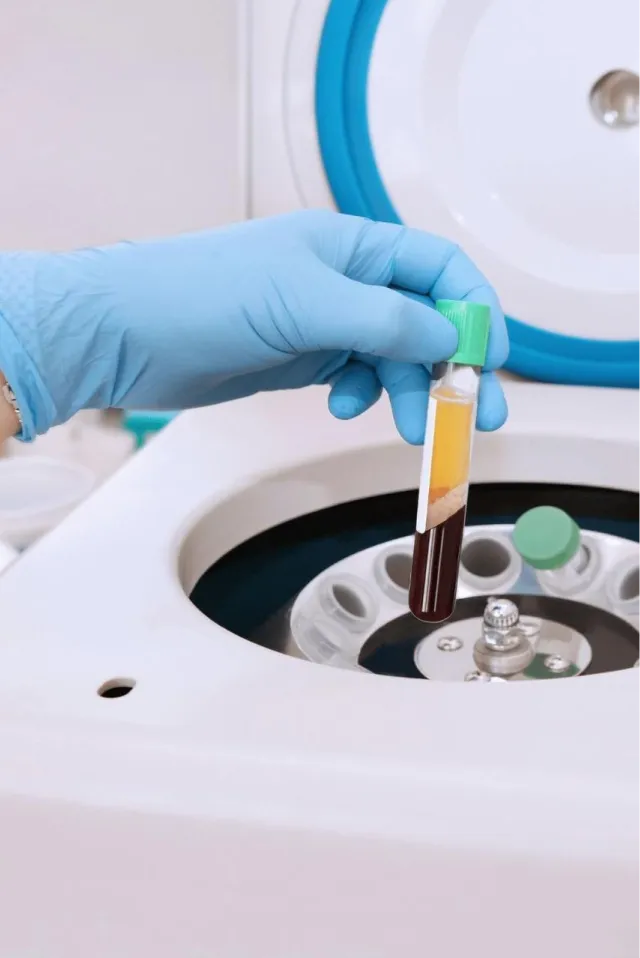
Introduction to PRP
Platelet-Rich Plasma (PRP) therapy is a regenerative medical treatment that uses the patient's own blood components to support natural healing and tissue repair. During the procedure, a small blood sample is processed to concentrate platelets, which contain growth factors and bioactive proteins involved in cellular recovery. PRP therapy is widely used in orthopedics, dermatology, and hair restoration due to its autologous nature and low rejection risk.
In Turkey, PRP treatment is performed under medical supervision using sterile clinical protocols and personalized treatment planning. Because PRP relies on the body’s own biological materials, it is often considered a supportive therapy rather than a pharmaceutical intervention. Treatment outcomes vary depending on individual health status, condition severity, and treatment frequency.
What Is PRP
PRP stands for Platelet-Rich Plasma, a biologic preparation derived from the patient's own blood. Platelets contain growth factors that play a role in tissue repair, inflammation regulation, and cellular regeneration. By concentrating these platelets and re-injecting them into targeted areas, PRP aims to stimulate the body’s natural recovery mechanisms.
How PRP Works
PRP therapy works through growth factor release. Once injected into the treatment area, concentrated platelets release proteins and signaling molecules that support collagen production, angiogenesis, and tissue repair pathways. Instead of introducing foreign substances, PRP activates the body’s existing biological healing processes.
Medical Applications
PRP therapy is commonly explored in several medical and supportive regenerative areas, including:
Soft-tissue support
Joint and tendon recovery
Hair restoration support
Post-injury recovery
Skin rejuvenation protocols
Suitability depends on medical evaluation and treatment planning.
Orthopedic Uses
In orthopedic settings, PRP is used to support joint comfort, tendon recovery, ligament strain management, and sports injury rehabilitation. It is frequently considered for knee, shoulder, elbow, and ankle areas where natural tissue recovery support is desired.
Dermatology Uses
PRP is used in dermatology for skin texture support, collagen stimulation, and overall skin rejuvenation protocols. It is often applied in facial treatments and combination aesthetic procedures under medical supervision.
Hair Restoration
PRP hair therapy involves injecting concentrated platelets into the scalp to support hair follicle activity and scalp circulation. It is commonly used as a supportive option for individuals experiencing hair thinning or hair density reduction.
Safety
Because PRP uses the patient's own blood, the risk of allergic reaction is generally low. Safety depends on sterile preparation, physician supervision, and proper patient screening. As with all medical procedures, realistic expectations and clinical evaluation are essential.
Treatment Process
1
2
3
4
5
Number of sessions varies by condition and individual response.
FAQs
Free Online Medical Consultation
Speak with a medical advisor and receive a personalized evaluation based on your medical reports. No obligation — professional guidance to help you understand available regenerative treatment options.
Book Free Consultation