Fertility
Fertility challenges can stem from ovarian decline, endometrial concerns, or sperm quality issues. Regenerative medicine explores supportive roles using MSCs and PRP to assist reproductive tissue environments and cellular signaling balance.
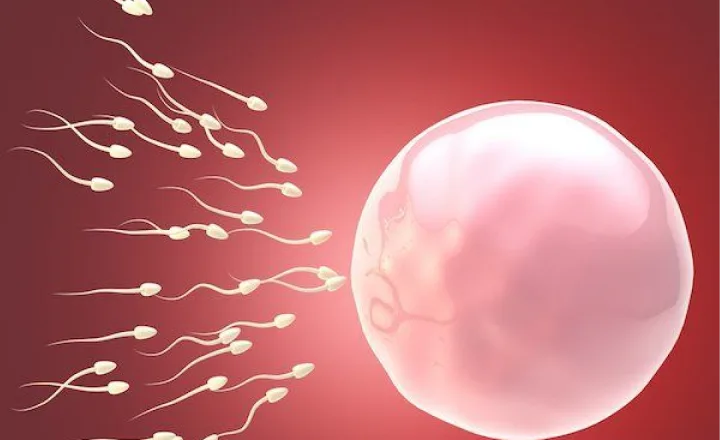
Introduction to Fertility
Fertility challenges can result from a variety of factors including ovarian reserve decline, endometrial lining concerns, hormonal imbalance, sperm quality issues, or unexplained infertility. Modern reproductive medicine often combines lifestyle optimization, hormonal management, and assisted reproductive techniques such as IVF when necessary.
Regenerative medicine approaches such as mesenchymal stem cell (MSC) therapy and platelet-rich plasma (PRP) are being explored for their potential role in supporting reproductive tissue environments, cellular signaling balance, and inflammatory regulation under medical supervision. These therapies are not designed to guarantee pregnancy or replace IVF treatment. Instead, they may be evaluated as complementary strategies aimed at supporting ovarian function, endometrial receptivity, or sperm environment quality as part of a personalized fertility plan.
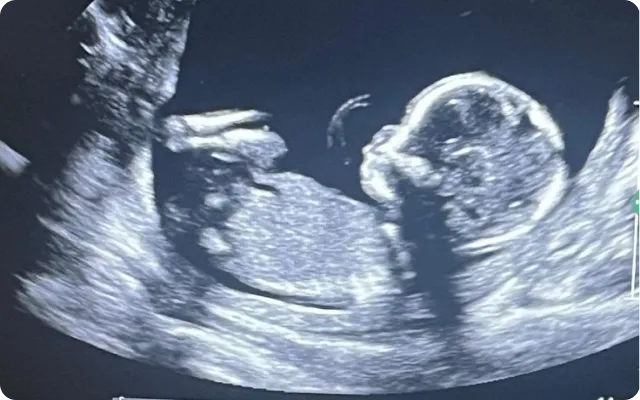
Understanding Fertility Factors
Fertility may be influenced by:
Female Factors
Ovarian reserve and egg quality
Endometrial lining thickness
Hormonal regulation
Autoimmune or inflammatory conditions
Male Factors
Sperm concentration
Motility and morphology
Oxidative stress
Hormonal balance
Proper evaluation is essential before considering any supportive regenerative approach.
How Stem Cells May Provide Support
Mesenchymal stem cells are studied for their potential to support:
Ovarian tissue environment balance
Endometrial lining support
Inflammation modulation
Cellular communication pathways
Microcirculation within reproductive tissues
These therapies are described as supportive and regulatory, not curative or pregnancy-inducing treatments.
PRP Therapy - Targeted Reproductive Support
Platelet-Rich Plasma (PRP) is sometimes explored in fertility settings for:
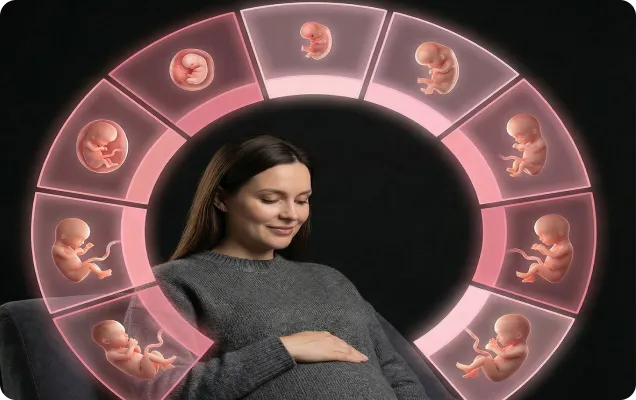
Endometrial lining support
Ovarian microenvironment enhancement
Localized growth factor signaling
Protocols vary depending on whether the concern is ovarian, uterine, or male-factor related.
Treatment Process
1
2
3
4
5
All regenerative approaches are considered complementary to established reproductive medicine.
Important Expectations
Stem cell therapy for fertility:
Does not guarantee pregnancy
Does not replace IVF or hormonal treatment
Does not ensure egg or sperm regeneration
Must be evaluated individually
Outcomes vary depending on age, diagnosis, hormonal status, and overall reproductive health.
Who May Be a Candidate?
Candidates may include individuals with:
Thin endometrial lining
Early ovarian reserve decline
Inflammatory-related fertility challenges
Recurrent implantation concerns
Male-factor sperm quality support needs
Eligibility is determined only after medical screening.
FAQs
Free Online Medical Consultation
Speak with a medical advisor and receive a personalized evaluation based on your medical reports. No obligation — professional guidance to help you understand available regenerative treatment options.
Book Free Consultation